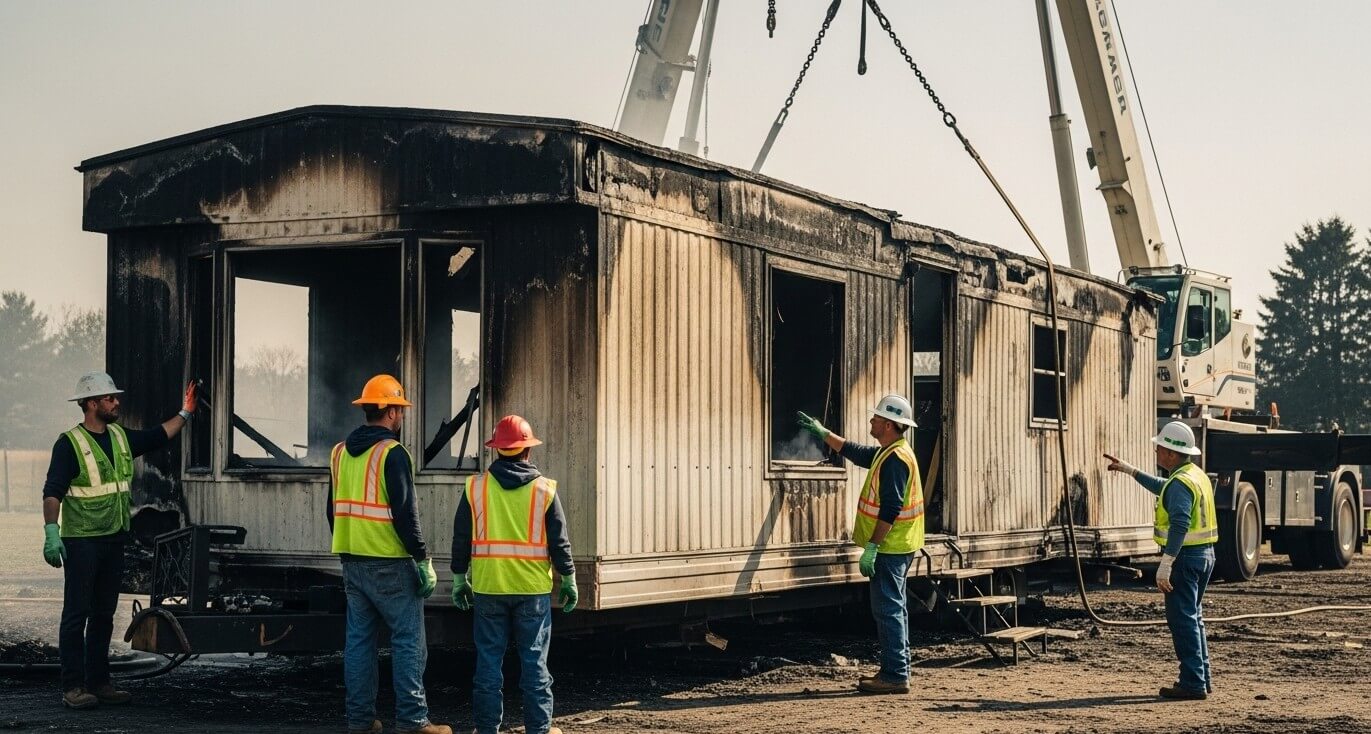
A mobile home that has suffered fire damage can do more than just spread visible destruction. From structural issues to hidden health risks, getting rid of a burned mobile home is a matter of strategic know-how and informed choice. This guide explains all you need to know about removing a fire-damaged mobile home, emphasizing safety and concern for the environment as well as good disposal practice.
Partial or total damages caused by this natural disaster can be prevented, and land is reusable when the process of such event are understood.
Understanding the Risks of Fire-Damaged Mobile Homes
A fire-damaged mobile home can be unsafe to enter or repair following a fire. Heat thins the metal skeletons, walls can topple without notice, and toxic residues may endure long after the flames are extinguished.
Common risks include:
- Slipshod construction is likely to cause a sudden breakdown
- Inhalation of toxic fumes from combusted insulation and wiring
- Piercing shrapnel, nails, and fragmented materials
- Mold that has grown on account of the water used to extinguish the fires
Due to these perils, fire-damaged mobile homes are seldom restorable and typically need to be demolished.
Learn about the features, benefits, and more about triple wide mobile homes here!
Safety Comes First During the Removal Process
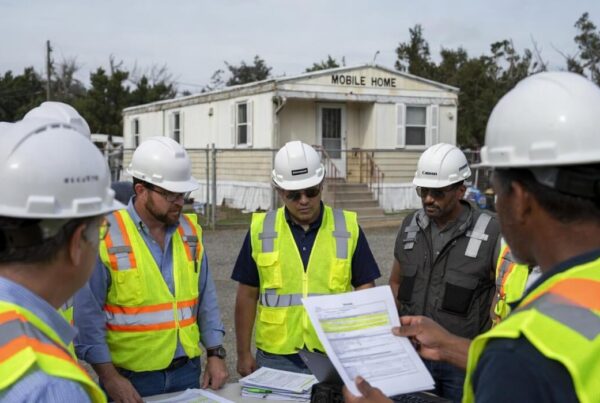
The most important aspect when it comes to fire-damaged buildings is safety. Before any control can take place, the site should be surveyed to assess what damage has occurred and if there are any safety issues.
Key safety steps include:
- Installing a barrier to the entrance of the locus and preventing access.
- Gas, electricity, and water services are being disconnected
- Wearing protective equipment to protect yourself from breathing in poisonous dust
- Not going into the unstable part of the building
Professional services are often required, as mobile homes react differently to fire damage than traditional houses.
Read more: Does manufactured home depreciate?
Legal and Environmental Considerations
Removing a mobile home burned in a fire is not as simple and easy as you may think. While removing such homes can be a serious physical task, there are legal and environmental issues involved in the process, also. You may also need a demolition and debris removal permit in your area.
Important considerations include:
- Proper disposal of hazardous materials
- County or state removal guidelines followed
- Recycling of metal and recyclable materials
- Permitted landfill disposal of non-recyclable waste
Adherence to these suggestions also helps save the planet and keeps you from getting fined or sued.
If you’re wondering “how much does moving a mobile home cost?” the price can vary significantly. Read more!
How Fire-Damaged Mobile Homes Are Properly Disposed Of
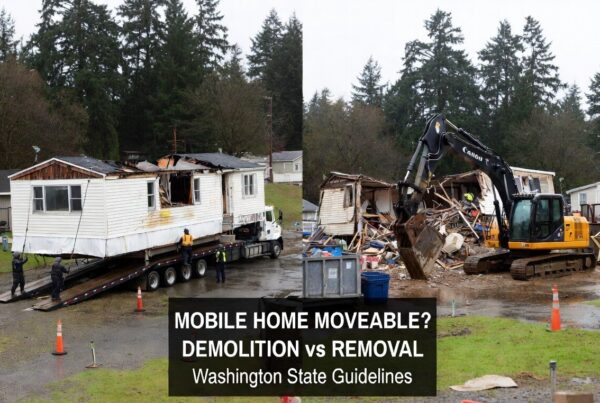
As soon as the tearing down starts, the mobile homes are generally taken apart instead of being moved in one piece. Once burned, the materials are separated with metal frames frequently being put through reuse, whilst contaminated residue is dealt with responsibly.
The disposal process usually involves:
- Deconstructing syllable by syllable
- Separating recyclable and hazardous materials
- Hauling materials to disposal sites as appropriate
- It’s rounding up the territory afterwards
This process guarantees the site is left in a clean, safe state for future use.
Read more: How to remove popcorn ceiling in double wide mobile home?
Final Thoughts
Removing a fire-damaged mobile home is not that mess you just sweep away in an hour. It will be a safety-focused process that requires planning and taking certain precautions during the entire disposal project. Property owners who are aware of the risks and take appropriate safety precautions to comply with environmental regulations cannot let their neighbours’ negativity take over.At Washington Free Mobile Home Removal, our goal is to provide free, clear information that can help people understand and make the right decision when attempting to sell fire-damaged mobile homes. A risk-free abatement now leads to a safe and habitable property in the future.