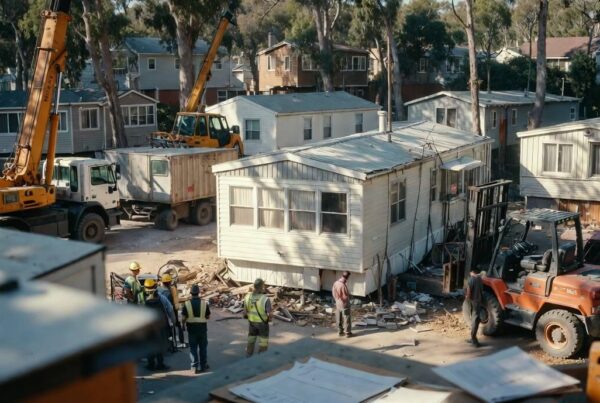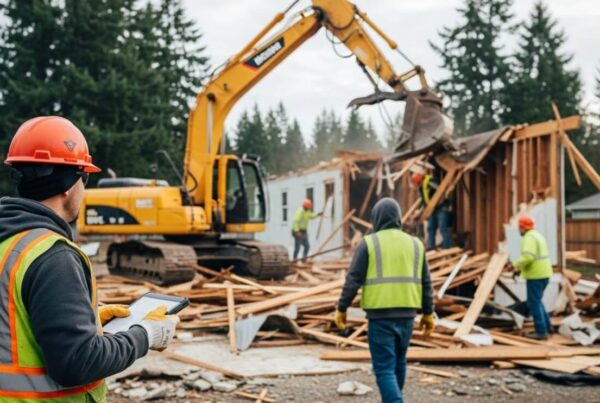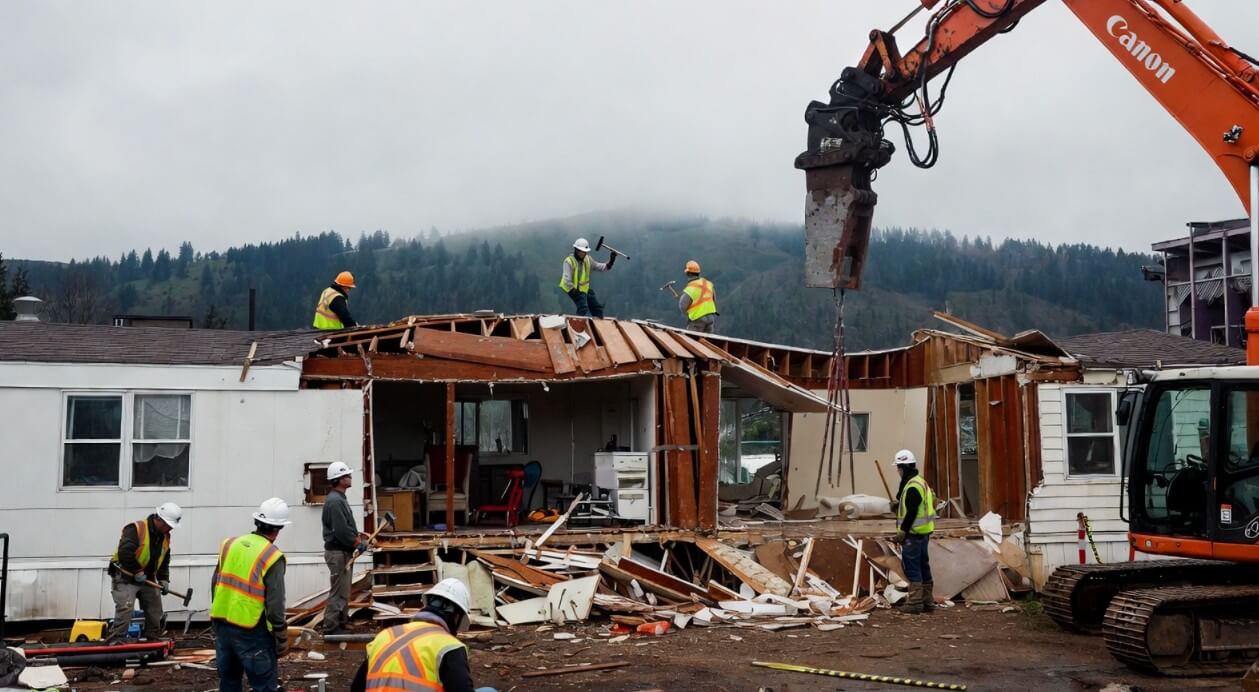
When the weather gets extreme, manufactured homes can be left structurally unsound and unsafe. When a building is so damaged that it makes more sense to tear it down, it is less complicated and dangerous. Washington State has Safety, Environmental, and Disposal Standards that are required for your demolition. All of it is meant to protect the property and the environment around it. Let’s find out how to safely demolish a storm-damaged mobile home in Washington!
Assess Structural Safety First
The building must be assessed thoroughly before any demolition takes place. Supports may be weakened by storm damage; the roofing material may loosen; and the flooring or foundation can become compromised.
Key safety checks include:
- Locating parts of the walls or the roof at risk of collapse
- Looking for exposed wiring or damaged utilities
- Inspecting for water-related structural rot
- Searching for debris that might move during extraction
Even a weakened wall or building body is best not tampered with without adequate verification of what still supports it. An accurate assessment informs the safest way to demolish a building.
Also, learn about the features, benefits, and more about triple wide mobile homes here!
Disconnect Utilities and Secure the Site
A crucial stage in a successful demolition is the disconnect and specific clearance of all utilities. The following operational services could be of use to those with damaged homes:
- Electrical connections
- Gas lines
- Water or sewer systems
Also, local providers need to verify that utilities have been turned off before demolition begins. Furthermore, the site is bound to limit unauthorised access and minimise risk to safety throughout the procedure.
Read more: Does manufactured home depreciate?
Understand Washington Permit Requirements
Demolition permits are necessary in much of Washington before a mobile home can be dismantled, even if it has been decimated by a storm. Permit requirements often include:
- Approval from local building departments
- Documentation of utility disconnections
- Waste disposal plans
- Environmental compliance checks
Addressing these needs proactively will avoid legal troubles and help keep your project on track.
Watch for Hazardous Materials
If you’ve got a 40-year-old mobile home, chances are that there’s some sort of material in there with special handling needs once it’s storm-damaged and half the innards are exposed. Potential hazards include:
- Asbestos in insulation or flooring
- Mold from water intrusion
- Lead-based paint
- Damaged fuel tanks or chemicals
Washington environmental regulations require proper identification and disposal of hazardous materials. These materials should never be treated as if they were general debris or other waste.
If you’re wondering, “how much does moving a mobile home cost?” the price can vary significantly. Read more!
Plan for Responsible Debris Removal
Demolition rubble from hurricane damage is frequently a combination of debris, including wood, metal, insulation, and roofing. Washington encourages recycling whenever possible. Safe disposal includes:
- Sorting recyclable materials like metal
- Transporting waste to approved facilities
- Containment of the debris from spreading onto the surrounding land or into adjacent waterbodies
- Completing a full site cleanup
Unmanaged debris can lead to environmental hazards, as well as code violations.
Read more: How to remove popcorn ceiling in double wide mobile home?
Prioritize Safety Throughout the Process
Storm-damaged structures are unpredictable. Key points may have been weakened by weather exposure in ways the naked eye can’t immediately detect. Safe demolition focuses on:
- Controlled demolition, not sudden collapse
- Proper protective equipment
- Clear removal sequencing
- Careful equipment use
Final Thoughts
How to safely demolish a storm-damaged mobile home in Washington? It requires scrutiny, licensing, recognition of hazards, and proper disposal. Washington Free Mobile Home Removal encourages property owners to consider storm-damaged demolition with safety and regulations. It is possible to tackle the process in an efficient manner that protects people and the environment, provided there’s proper planning and careful execution.