The decision between the triple-wide demolition of mobile homes vs. deconstruction is based on the following objectives: speedy clearance and cost control, or material recovery and less waste from landfills. Both methods eliminate a structure; however, they differ in their method, timeframes, and results. This guide on “Triple Wide Mobile Home Demolition vs Deconstruction: Key Facts” will help you decide which one is best suited to your home budget and needs.
What Each Term Actually Means
Demolition (quick teardown)
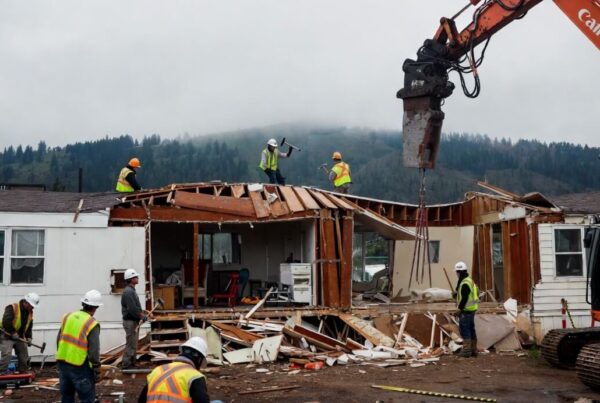
The rapid, controlled dismantling of the structure is known as demolition. The crews use heavy machinery to cut areas and then carry the debris to dumping areas. It is time-saving in clearing land and is usually not very labor-intensive.
Deconstruction (systematic disassembly)
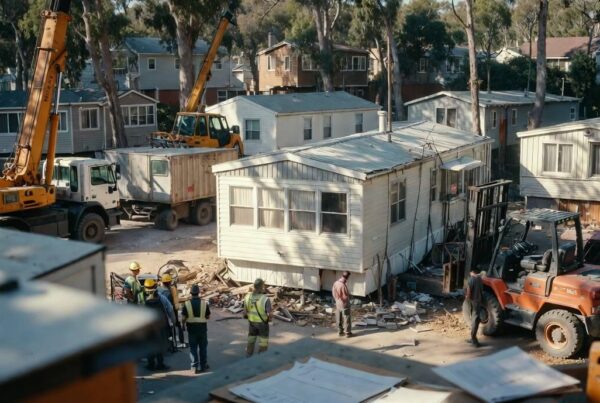
Taking apart bits by bits of a structure with the intention of reusing it. It is labor-intensive and slow, but it preserves precious resources like doors, windows, cabinets, wood, and metal.
Key Differences
| Factor | Demolition | Deconstruction |
| Speed | Fast (days) | Slow (weeks) |
| Labor intensity | Lower (equipment-driven) | Higher (manual labor) |
| Salvage value | Lower (some salvage possible) | Higher (intentional recovery) |
| Environmental impact | More landfill waste | Less waste, more recycling |
| Cost | Often lower upfront | Higher upfront, may offset via salvage |
Read more: Does manufactured home depreciate?
Cost: Upfront vs Net Cost
Deconstruction is typically cost-effective because it cuts down on the amount of work and time spent on site. Deconstruction is more labor-intensive; however, it can also generate offsets. Recycled materials that are either donated or sold reduce costs and are beneficial to the community. In some instances, the tax deductions associated with donations can further alter the calculations. If cash flow is your primary concern, demolition is often the best option. If the long-term impact and reuse are important, demolition is often the better option for financial gain.
Timeline and Disruption
A triple-wide unit is a large one. Demolition usually clears the site quickly because the crews are able to take down huge sections and then haul them away. Deconstruction involves careful removal of the finishes as well as fixtures. This takes longer and causes more activity over the course of weeks. Be aware of your neighbors’ proximity, window to the weather, and deadlines for projects when making a decision on the time to work. Faster work means fewer hours spent near a construction zone.
Learn about the features, benefits, and more about triple wide mobile homes here!
Community and Environmental Considerations
Deconstruction eliminates the use of landfills and supplies the material to the
- salvage yards
- recycling centers
- non-profit organizations
This minimizes the emission of carbon and assists local reuse economies. Demolition may still reuse appliances and metals, provided they are sorted at the location, but the overall recovery rate is often less.
Safety and Hazardous Materials
The two methods have to consider potential risks such as asbestos and lead paint; the refrigerants are common in the older models of mobile homes. Before any major work is obtained, abatement testing and certification have to be done. The deconstruction does not exclude the necessity of safety precautions, but it typically needs more manual experience with the construction materials, and the appropriate training, together with PPE (personal protective equipment), becomes of utmost importance.
A Practical Checklist Before You Decide
- Perform a hazardous-materials inspection.
- Obtain itemized deconstruction and demolition estimates
- add permit
- Hauling
- disposal line
- permit items
- Inquire of contractors about how they do their recycling, salvage, and whether they provide receipts or manifests.
- Verify local permitting schedules and neighbor-notice provisions.
- Determine whether donated items are tax-deductible in your state.
Final Thoughts
Triple Wide Mobile Home Demolition vs Deconstruction: The decision between triple-wide mobile home demolition and deconstruction is not always purely based on technical aspects. It’s also sensible and moral. Demolition is quick and is usually less expensive upfront. Deconstruction conserves resources and may provide community benefits, but it requires more time and labor. Examine the time and budget objectives, environmental goals, as well as the value of salvage available to determine the best option for your land. For basic procedural information and local permitting guidance, contact Washington Free Mobile Home Removal!