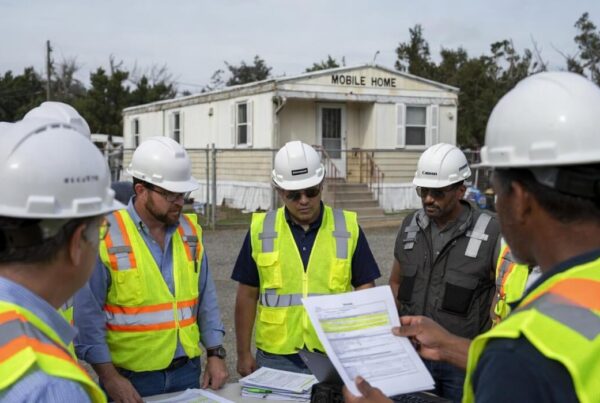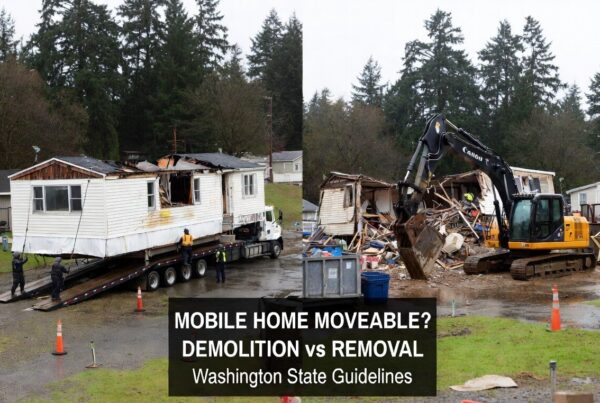
Safe removal of a mobile home goes beyond carrying debris; it requires the identification of dangerous materials early enough and appropriately managing them. How to Handle Hazardous Materials During Mobile Home Removal? This guide discusses the usual hazards that you are likely to encounter, what the regulations tend to demand, and how action can be taken in practice to keep people and the environment safe.
Why Hazardous-Material Checks Matter First
You need to verify the presence of
- Asbestos
- lead-based paint
- Refrigerants
- other controlled substances,
before the demolition or heavy removal. Many of these substances need to be handled according to federal and state regulations, which is a step that should not be skipped, or can lead to health hazards and violations that cost a lot to resolve.
Read more: Does manufactured home depreciate?
Common Hazards And The Right Response
| Hazard | Typical locations in a mobile home | Basic required action |
| Asbestos | Wallsduct wrapold adhesives | Test before work; licensed abatement if present. |
| Lead-based paint | Window sillsTriminterior/exterior paint | Use EPA RRP lead-safe practices or certified contractors for disturbance. |
| Refrigerants | HVAC unitsRefrigeratorsfreezers | Recover refrigerants with certified equipment and technicians under EPA rules. |
| Mercury | Old thermostats | Remove and recycle per local hazardous-waste guidance. |
| Household hazardous waste | SolventsBatteriespaints | Segregate, store safely, and dispose of through hazardous-waste channels. |
Practical Step-by-step Approach
1. Survey and Test First
Have a certified inspector or abatement professional survey the structure. Testing is the only reliable way to know whether asbestos or lead hazards exist. Many state agencies advise designating the building and sampling before demolition.
2. Notify and Follow Rules
In case regulated materials are discovered in testing, proceed as required by federal and state regulations on notification, permitting, and abatement. In many cases, local clean-air or other environmental agencies insist on pre-filing of the asbestos removal or demolition.
3. Use Qualified Contractors
Contract with certified abatement contractors and EPA/Section 608 certified technicians to recover refrigerant. The right training and equipment are enough to protect workers and ensure your compliance.
4. Organize, Record, and Discard Responsibly
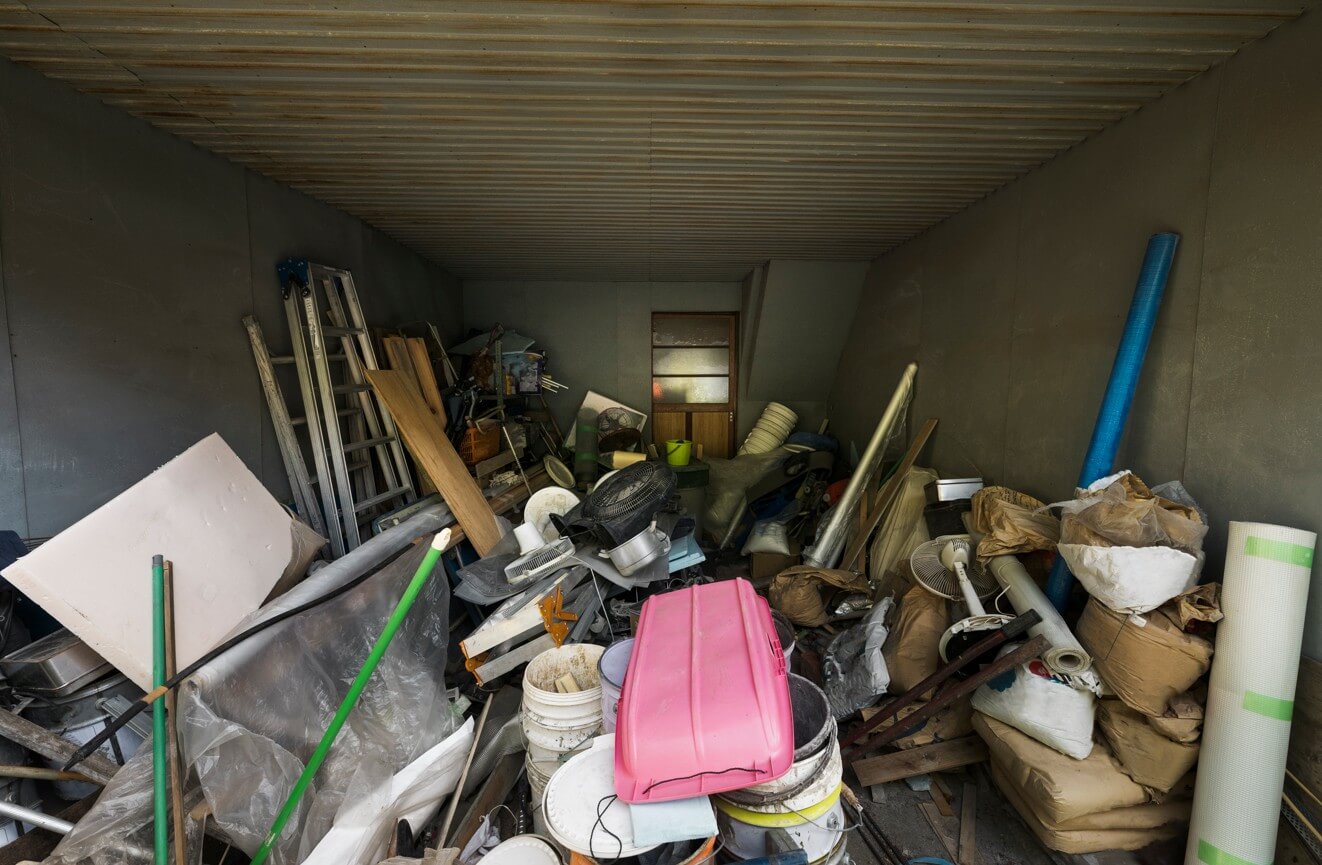
Isolate hazardous waste and general construction waste on-site, maintain manifests, and utilize licensed disposal/recycling sites. Documentation secures you and provides regulators with a trail of where materials went.
Check out the features and benefits of triple wide mobile homes here!
Final Notes and Resources
Mobile home removal involves handling hazardous materials, which is a safety concern and not a voluntary supplement. Hire certified professionals and comply with local agency regulations to keep out of trouble by preventing health hazards and fines. To find local permitting and practical advice, see your state or regional clean-air and environmental agencies, and see material on safe handling and disposal. To get general information regarding a demolition permit and local information in Washington, visit Washington Free Mobile Home Removal!
The Bottom Line
How to Handle Hazardous Materials During Mobile Home Removal? When removing mobile homes, the appropriate management of hazardous materials will safeguard the individuals, the environment, and your liability. Professional abatement and treat testing are not auxiliary, but essential, and then you can continue to keep the job safe, legal, and on track!