Donation vs. Demolition: Best Choice for Old Triple Wide Homes? It is not only a question of math, but also a question of values and logistics. You want to save money, you want to give to charity, you want to clear the lot, and you want to get out of long-term liability. Then this guide will assist you in making the decision that best suits your objective and your budget.
Quick Overview: What Each Option Means
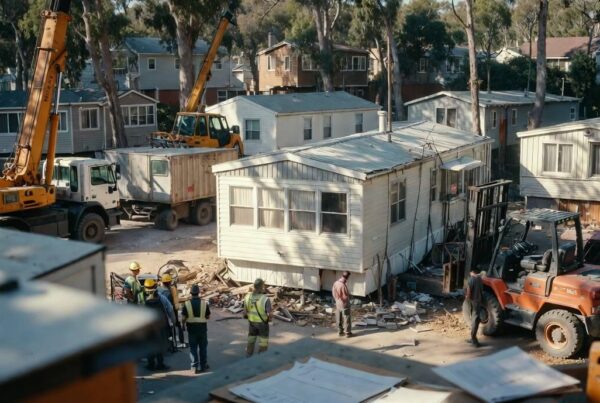
Donation refers to the transfer of the home or parts that can be put into use to a nonprofit, salvage organization, or a buyer who will relocate and restore it. It helps to save more on the disposal cost and also provides a second life to your home.
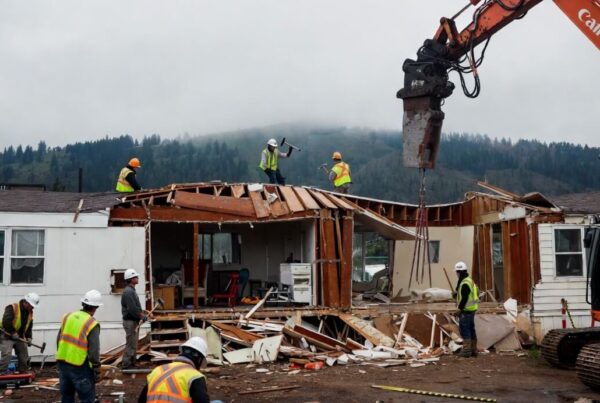
Demolition refers to the act of breaking it down on-site, cleaning up, and transportation of any hazardous materials, and transportation of debris to corresponding facilities. It clears the land quicker, but tends to be more expensive initially.
Key Factors To Weigh
Cost and Financial Impact
Donation may be cheaper or even free, provided a receiving organization pays for moving and salvage. Demolition is generally more expensive in the short term; equipment, labor, permits, and disposal charges are all costs that would be incurred. However, consider long-term savings: demolition eliminates liability and maintenance costs in the long term.
Time and Convenience
It takes a short time to demolish. Donation can be quite time-consuming as a recipient must examine, arrange a shipment, and find transportation. Demolition tends to be quicker, in the event you require the land urgently.
Environmental and Community Value
Donation maintains usable materials and entire units in landfills and are of benefit to families or nonprofits. Demolition has the advantage of enabling metals and appliances to be recycled in a controlled fashion; however, it may increase short-term waste and disturbance.
Legal and Safety Considerations
Older triple-wide houses can have dangerous substances like asbestos, lead paint, etc. Receivers of the donations might decline homes that need abatement that is very costly. The hazardous removal can be dealt with safely by demolition teams, but that increases costs.
Read more: Does manufactured home depreciate?
Comparison table: donation vs demolition
| Factor | Donation | Demolition |
| Upfront cost | Often lower / may be free | Higher (equipment, disposal, permits) |
| Time to clear lot | Longer (scheduling, moving) | Shorter (demolition crew clears site) |
| Environmental impact | High reuse value, less landfill | More immediate waste, but recyclables recovered |
| Liability after transfer | Low (recipient assumes responsibility) | Eliminates future liability |
| Best when | Home is moveable or salvageable | Home is unsafe, contaminated, or a lot is needed quickly |
How To Decide (A Practical Checklist)
- Get an objective inspection:
A pro can tell if the home is safe to move into or if hazards make donation unrealistic. - Ask about permits and abatement:
Both options can require paperwork; know local rules. - Compare itemized estimates:
include potential credits for salvage or rebates for recycling. - Think long term:
Ongoing repairs, insurance, and liability matter as much as today’s price.
Check out the features and benefits of triple wide mobile homes here!
The Bottom Line
When weighing donation vs. demolition: best choice for old triple wide homes, there’s no one-size-fits-all answer. Donate when the unit is in good structural condition, reusable, and you value reuse. Select demolition when the house is not in good condition, polluted, or when you require clearing of the land in haste. To get an honest estimate and no-pressure evaluation, go to Washington Free Mobile Home Removal and make a site evaluation request. We can help you pick the option that saves money, protects your property, and matches your values!