Triple wide mobile homes are sprawling structures made using three separate sections that provide spacious living space; usually, they exceed the size of 2,000 square feet. However, when it’s time to move out, homeowners will face a daunting task. Are Triple Wide Mobile Homes Hard to Remove? This guide will go over these challenges and provide practical solutions to conquer them successfully to ensure your project remains on course.
The Key Challenges to Removal
Size and Weight Restrictions
Triple-wide homes are massive, requiring heavy cranes, earth movers, and hauling trucks. When moving and tearing down this level of building, there must be a solid strategy based on preventing property damage and safety issues.
Permit and Legal Requirements
Dismantling the triple-wide could be difficult, and there are many regulations to follow. The following permits are generally required: demo, overloaded load permits for loading, and a hazardous endorsement for construction materials. Local laws vary, and utility shut-offs are supposed to be coordinated in advance to avoid accidents such as flooding or fires.
Logistical Access Issues
The accessibility to this area can be an important obstruction. Heavy equipment is likely to be slowed by driveways, streets, or a mountainside because of steep terrain. Additional preparation is necessary to prepare the ground to receive cranes and a dumpster, and to de-skirt or remove obstructions. The logistical burdens are compounded by remote or congested areas, and these need detailed planning.
Hazardous Materials Issues
The older triple-wides might have hazardous materials like asbestos and lead paint, or mold. Certified professionals should analyze and clean them to make sure that they are fit with the environmental standards.
Read more: Does manufactured home depreciate?
Typical Methods of Removal
Demolition
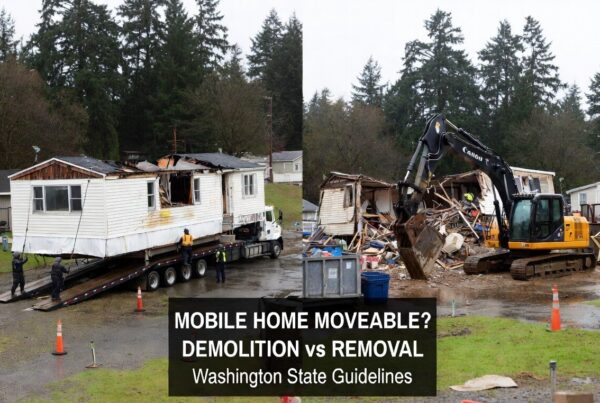
The most convenient option is destruction, in which the house is removed and dismantled. Costs range from $3.50-$5 /square foot. and $7,000 to $10,000 for a house of 2,000 square feet with permit fees.
Deconstruction & Salvage
Deconstruction is the process of tearing down a home part by part to salvage materials such as wood or metal. It’s eco-friendly, but it can be time-consuming and can cost up to $10,000.
Relocation
The most expensive is a triple-wide move, which can cost around $10,000 to $14,000 or more. It involves shutting off utilities, loading pieces onto trailers, securing transport permits, and reassembling the pieces at a new location. It is an ideal course of action for homes in decent shape, but it involves a great deal of coordination.
Read more: How to remove popcorn ceiling in double wide mobile home?
What Factors Determine the Total Cost of Triple Wide Mobile Home Removal?
Transporting a triple wide mobile home is no easy task, and more than just the cost of labor and equipment is at play. Knowing these considerations enables homeowners to make realistic budget plans and avoid costly surprises during the actual work.
1. Condition of the Home
The condition of the structure is the largest factor determining cost.
- Homes that are well-kept will be easier to disassemble or move since it is in one piece.
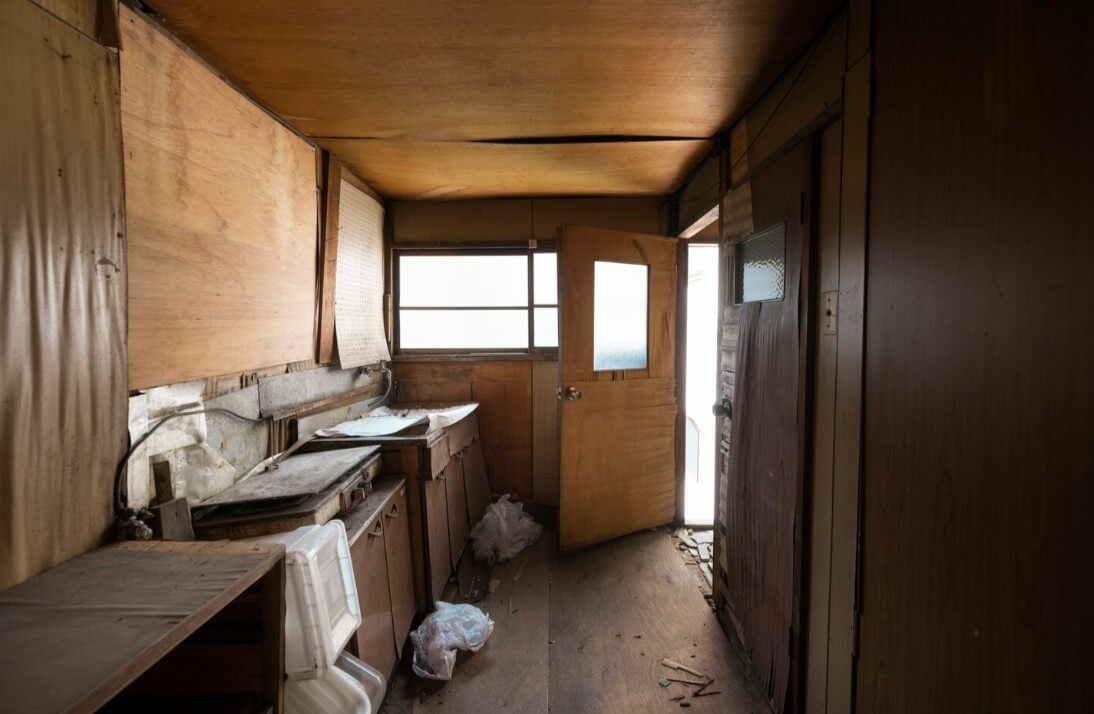
- Older or distressed homes may need to be dealt with more carefully, adding bracing and even requiring extra cleanup if there is water damage, mold, or sagging roofs involved.
2. Distance to Landfill or New Destination
Whether the home is being demolished or moved, transportation is a major cost element.
- Disposal sites located farther away increase fuel, equipment time, and hauling fees.
- Relocation projects may require moving three large sections across highways, sometimes with escorts or route adjustments.
3. Permit & Compliance Expenses
Different counties set their own rules for mobile home removal. Factors include:
- Demolition permits
- Transport and oversize load permits
- Environmental handling fees
- Utility disconnection requirements
4. Site Complexity
The venue itself also plays a part in the total cost of your project.
- There are added planning and special equipment needs associated with tight lots, narrow driveways, steep hills or heavily wooded areas.
- Level open properties accelerates removal and decreases the additional men or equipment required.
5. Presence of Hazardous Materials
If asbestos, lead paint or tainted insulation is discovered, state rules mandate certified abatement professionals.
This adds:
- Hazard evaluation costs
- Specialized containment procedures
- Higher disposal fees
As far as this goes I had to do things in the old triple-wides on mine because older triple-wides often have these materials and it can make a difference to the final budget.
6. Cleanup and Land Restoration
Post-removal cleanup varies by project:
- Basic debris removal is included in most quotes.
- Full land restoration, such as grading, removing piers, filling utility trenches, or clearing skirting debris, can add to the final cost.
Read more: How much does moving a mobile home cost?
Tips to Simplify the Process
- Employ Seasoned Contractors:
Choose professionals with expertise in larger mobile homes and who are knowledgeable of the regulations for permits and local ordinances. - Early Hazard Evaluation:
Examine for mold or asbestos before arranging for safe removal and to avoid legal embroiled. - Request Multiple Quotes:
Check around, and keep an eye on whether hazardous disposal or cleanup is covered in order to avoid any unexpected costs. - Salvage What You Can:
Sell and reuse the metals and appliances to supplement the pay, particularly in construction.
Cooperation with the specialists means a smooth process, which can be trusted.
How Long Does Triple Wide Mobile Home Removal Typically Take?
The time it takes to remove a Triple wide mobile home can vary depending on the method used and site conditions. In general, full demolition takes between 1 to 3 days on average, as long as the home is already in very bad shape and easy to break down. Deconstruction, on the other hand, is a longer process; often 5 to 10 days, and crews remove sections of buildings in pieces with care, rescuing materials that can be reused and sorting debris responsibly.
Moving is a process that takes weeks and coordination, up to one or three at times, depending on how permitting works out, the way you choose to go, and the work involved in breaking down and moving all three parts of it. The weather, removal of dangerous materials, and access to archaeological sites may also add time. Knowing these timelines, homeowners can be more realistic in their expected timelines, better prepared, and avoid any inconvenience during the removal.
Final Thoughts
Are Triple Wide Mobile Homes Hard to Remove? It is all big size, possible risks, material, complex permits, and logistic challenges. While it has its ups and downs, dismantling, deconstruction, or relocation would make better preparation by employing fully qualified contractors. Compare your options depending on the condition of your house, your budget, and what you hope to achieve. If you want expert help, call on Washington Free Mobile Home Removal to ensure your mobile home removal is performed with confidence!