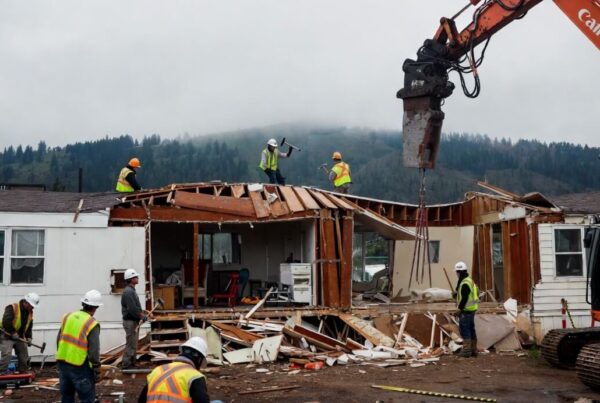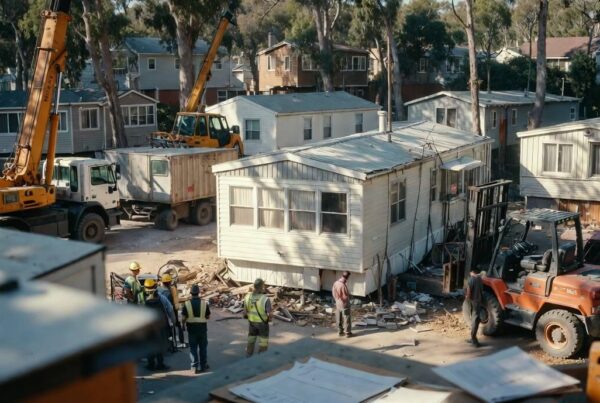
Mobile homes – often known as manufactured homes) are sought-after due to their affordability and flexibility, yet when no longer necessary at one location many may wonder: Can mobile homes be relocated instead of demolished? Relocation may often offer environmental, financial, and practical advantages that make this an appealing choice. Let’s investigate this option further instead!
Why Consider Relocating Over Demolition?
1. Cost-Efficient
Demolition costs money; labor, permits, and hauling debris are just some of the expenses involved in its completion. Relocating saves on that expenditure as transport fees do not need to be paid as often for moving waste off-site.
2. Environmental Benefits
Demolition produces considerable waste that often ends up in landfills; by moving your mobile home instead, however, you reduce waste production while simultaneously making better use of existing materials – an eco-friendly choice that supports sustainable living practices.
3. Preserving Usability
After years of use, mobile homes typically remain functional. Relocating such units allows their lifespan to be extended for residences, offices, or storage units – whatever purpose may arise for these mobile structures.
Read about: Mobile Home Removal
Can All Mobile Homes Be Moved?
No. Not every mobile home may be relocated for various reasons including age, structural integrity, and local regulations.
1. Age and Condition
Older mobile homes may no longer meet safety or transportation standards, including structural damage, rusted frames, or weak floors which make them unsafe to transport. Well-kept properties tend to make better candidates for relocation.
2. Local Rules and Permits
Different areas have different laws regarding mobile home relocation. You’ll likely require permits and approval before placing it at its new site – making it essential that you investigate these requirements before planning any move.
3. Move Distance
Moving a mobile home over short distances tends to be straightforward. Longer moves may become more involved and costly if crossing state or regional lines.
Read about: How to Demolish a Mobile Home?
Steps for Relocating a Mobile Home
If it is feasible for you to move, take this approach:
Conduct an Inspection
To make sure the home can withstand transportation without incurring damage, hire an inspector.
Acquire Permits
Contact local authorities for permission to transport and put up the home at its new location.
Hire Professional Movers
Moving a mobile home requires professionals with appropriate equipment and extensive experience who possess all of the knowledge required for safe and efficient transport of their mobile home.
Prepare New Site
Make sure your new location is prepared before setting it up – leveling the ground, setting utilities, confirming zoning requirements are fulfilled, etc.
Relocating Is Not Always an Option
Sometimes relocation may not be viable and parts of a house could be recycled instead of being demolished in full; windows, insulation, and frames may often be reused by being recycled back into new products from their old counterparts.
Read about: What Happens to The Debris After a Mobile Home is Demolished?
The Bottom Line
Can mobile homes be relocated instead of demolished? – Relocating a mobile home can often be more cost-effective and waste-reducing than demolishing it, saving both money and resources while lengthening its life span. While not every mobile home meets all conditions or regulations to be relocated, most can. Before making your final decision on this matter, take time to carefully evaluate all your options with professionals; relocation could give your mobile home a new life!