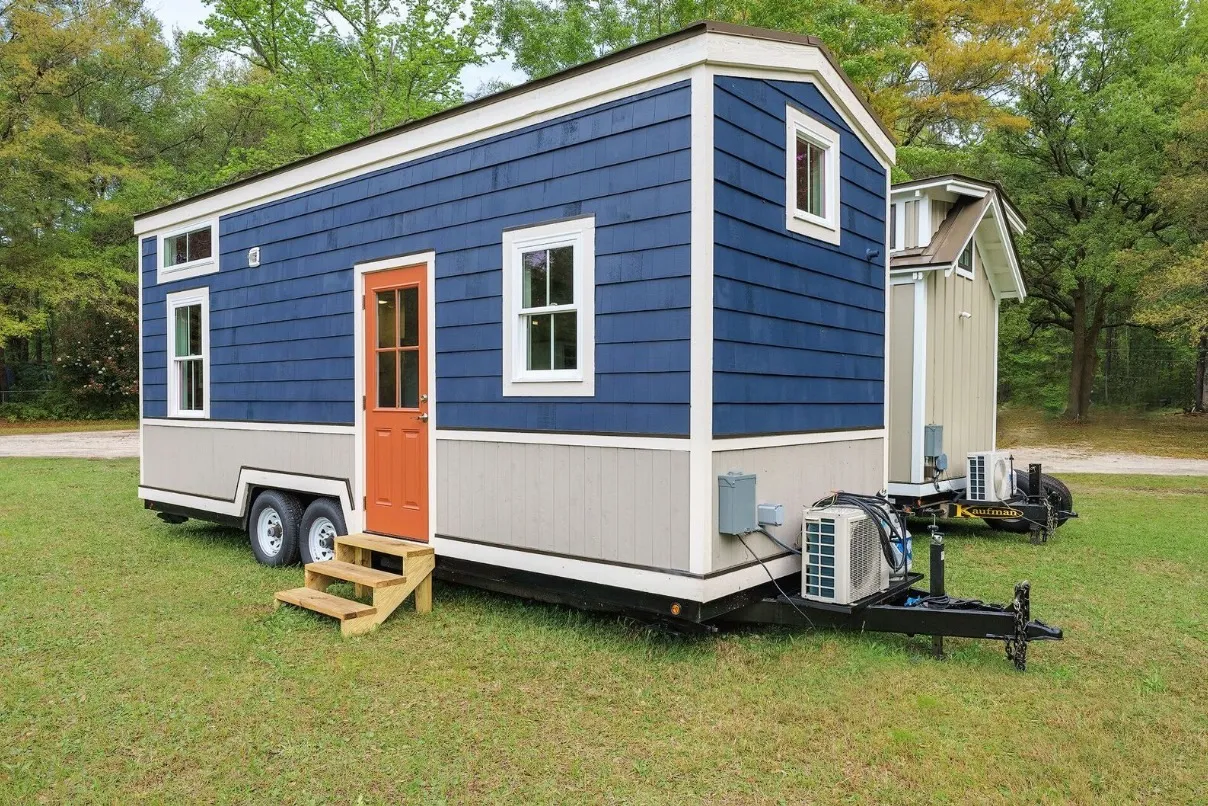
Mobile homes were initially seen as temporary solutions; now, however, they’ve become an affordable and comfortable living solution. There may come times when taking down a mobile home is necessary: whether selling the land it sits on, upgrading to another residence, or just clearing space altogether, the process for doing so can be lengthy and complex. So, How do people remove a mobile home?
Preparing to Relocate Mobile Home
Before planning the removal of your mobile home, preparations must first take place. First and foremost is to acquire all necessary permits and licenses required from local authorities for transportation and disposal of mobile homes, make sure all regulations are being observed!
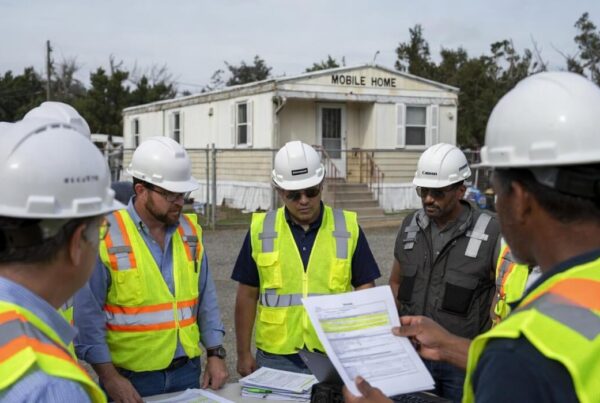
At Washington Free Mobile Home Removal, our experts understand how best to conduct removal processes safely and quickly, be they DIY removals, professional services, or both, options are available to us for mobile home removal. DIY may seem cost-cutting; however, it often becomes much more complex. Professional mobile home removal companies such as Washington Free Mobile Home Removal have all of the equipment and expertise to complete removal efficiently and safely.
When you are ready to make a decision on what you want to make, the second step in mobile home preparation should be to implement the decision you have made. This involves the removal of possessions, isolation of services including water and electricity, among other gas services, and ensuring that they are also removed and arrangements put in place to carry them by fixing any loose things or having the road clear of any hindrances in its way.
The Removal Process
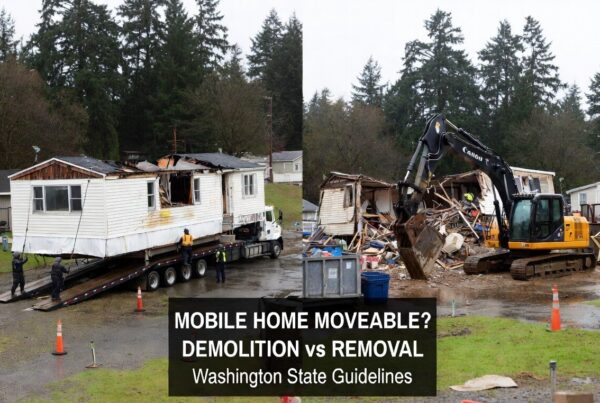
How do people remove a mobile home? (After preparation)? There are two crude ways of removing a mobile home: towing or dismantling. In case of well-maintained houses, it might be advisable to use towing, whereas in case of damaged houses, dismantling might be the best solution, since they might be transported and disposed of by breaking down into separate parts.
The weather and the conditions at the site may have a significant impact on the removal process, and the unpleasant circumstances may cause delays or complications that should be addressed as a short time and without any inconvenience as possible. The obstructions in the road should also be given a thorough look to enable the removal equipment to get to the area without necessarily causing destruction of houses or other properties around the area.
Disposal or Relocation
After being removed, there is a need to decide what to do with the mobile home. In case it is already broken and has been worn out due to old age or due to its repair beyond repair, its disposal may involve recycling the scrap metal to be recycled or it may be recycled through demolition; otherwise, it may be relocated. When you are seeking a new place to establish your mobile home, you have to think and consider a lot about the factors that you will have to consider before settling in a certain location, such as zoning laws, park laws and the cost of transport among others are a few factors to consider to find the most appropriate place where you will set your mobile home. Plan on how to move the expenses when feasible to make sure that the transition is economical, as well as get acquainted with any legal or regulatory measures at every location to be made so that the removal process can be painless!
Final Checklist: Quick Steps People Follow When Removing a Mobile Home
When removing a mobile home, people tend to use a rather brief, practical checklist to make the job both lawful, safe, and efficient:
- Confirm ownership and permits:
Have the title work on hand, and be aware of local demolition/transport permits. - Set up electricity, gas, water, and sewer disconnection:
Schedule official disconnections; NEVER attempt to work on a live unit. - Check on hazards:
Check asbestos, lead, or refrigerants, and hire certified abatement if necessary. - Choose the method:
towing (portable and authorized) or deconstruction/demolition (when either damaged or permanently located). - Clean and empty the interior:
Take away personal belongings, dangerous domestic wastes, and loose fittings. - Employ professional movers or demolition experts:
Professional crews do the moving, permits to carry wide loads, and dismantling. - Record all:
retain permits, disposal receipts, and any work of transfer-of-ownership. - Plan the finish:
arrange recycling or disposal of materials and site grading once the unit is gone.
Following these steps cuts surprises, speeds the timeline, and reduces costs, whether you’re moving the home elsewhere or clearing the lot for new use.
Learn about triple wide mobile homes here!
Tips for an Easy Removal
Follow these tips to make mobile home removal an effortless process:
- Plan and organize:
Create an extensive plan outlining each step in the process, from planning through disposal. - Calculate expenses:
Figure out possible costs of such items as permits, labor, transportation, and disposal. - Care about the environment:
Dispose of the materials in a proper manner to minimize the waste. - First of all, safety:
Wear the necessary protective equipment and adhere to all safety rules when removing it.
Read more: Does manufactured home depreciate?
The Bottom Line
How do people remove a mobile home? It might be rather difficult to imagine that it is possible to remove a mobile home without any problems, but with the help of proper planning and the right approach, it can be done. To have a stress-free mobile home removal experience where you get solutions to take care of all the aspects of a mobile home removal without any hassles, e.g., the Washington Free Mobile Home Removal team of experts who are ready to handle all aspects of a mobile home removal on your behalf, so you need not worry or be stressed!
If you are curious to find out more about our mobile home removal services, visit Washington Free Mobile Home Removal’s website today!