The removal of a mobile home leads one to have a definite question: What happens to mobile homes that are removed? It’s up to you. Removed mobile homes are usually organized in a sequence: the removal to a different location, demolition, destruction, salvage, recycling, or even long-term storage. This guide outlines the common results to let you know the choices and what you can expect.
Common Outcomes After Removal
- Relocated or transported:
The mobile home is moved in good condition to a new location or sold and delivered to a buyer. - Demolition on-site:
The building is torn down on-site, and the debris is either disposed of properly or recycled. - Reclaimed or salvaged:
Usable items include appliances, metal, fixtures, and wood, which are taken from a site and used elsewhere. - Stored or abandoned:
In some instances, the mobile home may be abandoned on a lot without being refiled, or perhaps it’s put into storage until ownership makes a decision what to do with it.
Read more: how much does moving a mobile home cost?
Relocation: Moved Intact to a New Home
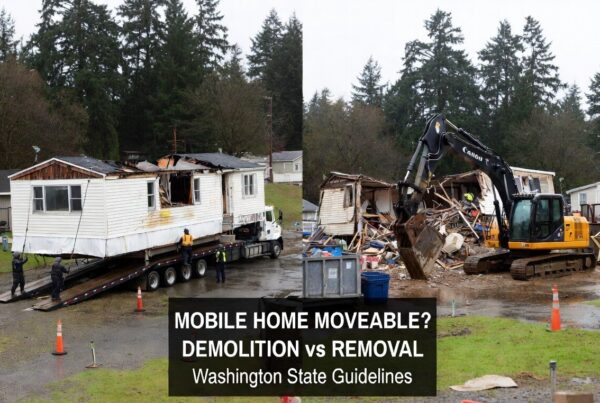
If the mobile house is in good condition, it’s usually transferred to another location. Movers secure the home with a secure lock, remove the permits and title documents, and then tow it onto an appropriate trailer. This protects the home’s value and helps reduce the amount of waste. Planning routes and local permits are crucial, since transportation is governed by the size of roads, overhead obstacles, the size of the road, and licensing regulations.
Read more: Does manufactured home depreciate?
Demolition: Taken Apart and Removed
If a structure is dangerous or is too expensive to move, workers will tear it down on site. The deconstruction of the building into smaller structures that can be disposed of is called demolition. Following the demolition, the wastes are carried to the relevant sites where others is deposited in the landfill, or others are disaggregated.
Salvage and Recycling: Giving Materials a Second Life
A substantial portion of demolished mobile homes is salvageable. Metal frames, doors, appliances, windows, as well as some lumber, can be recycled or sold. Salvage can reduce costs for disposal and also help the environment. Recycling facilities and salvage yards typically purchase or take these materials, and a lot of contractors sort the recyclable materials before demolition.
Learn about the features, benefits, and more about triple wide mobile homes here!
Storage or Abandonment: The Less-common Outcome
Sometimes, mobile homes are removed and subsequently abandoned on the property or moved to a storage area until the owner decides on what the next steps. This could lead to long-term issues, legal as well as environmental, if not dealt with. Local legislation often limits the time period of an unoccupied building.
What Determines the Result?
The place where a mobile home that has been removed will be is influenced by many factors:
- Condition of the home:
The ability to move is frequently determined by structural soundness. - Licenses and local legislations:
The possibility of relocation may be prevented with the help of title status, zoning, and transportation permits. - Cost in relation to. Price:
In case the moving costs exceed the value of the house, the house would be under the threat of being demolished. - Environmental issues:
The presence of hazardous materials (e.g., asbestos) may have an impact on how the land is treated.
When you are addressing the removal and documenting the condition of your property, be sure to review this as well if permits and titles are requirements from your past or you had gathered quotes from contractors about salvage plans. Make sure utility lines get removed safely and that any hazardous substances are properly disposed of, and request writing disposal plans if the environment is important to you.
Read more: How to remove popcorn ceiling in double wide mobile home?
How Being Prepared Will Save You Time And Money
Arranging in advance can really influence the result of a mobile home removal. Requesting permits, verifying who owns the title, and checking on the condition of your home before removing anything can avoid last-minute surprises. Contractors who discuss salvage early can save on disposal and promote an environmentally friendly approach. You should also write down the condition of the property and have it include written disposal plans if environmental compliance matters to you. Implementing some of these measures early is usually quicker than the cost of dealing with the legal ramifications, and keeps demolition on time and on budget.
The Bottom Line
What happens to mobile homes that are removed? They are typically removed, destroyed, and salvaged, and sometimes stored, and the decision on either is usually made by cost, condition, and local laws. Understanding these routes will allow you to make improved choices and prevent any sudden changes during removal. To get general advice, visit Washington Free Mobile Home Removal!