Mobile home removal is a tough decision: mobile home demolition or deconstruction. Both free your lot, but they have different environmental footprints, costs, and salvage values. Knowing Mobile Home Demolition vs Deconstruction: Key Differences assures you of an affordable, eco-friendly choice. This guide summarizes the most important factors to assist you in making a wise decision.
What Is Demolition?
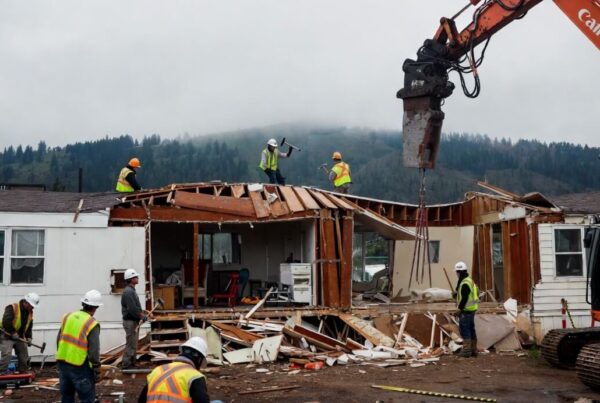
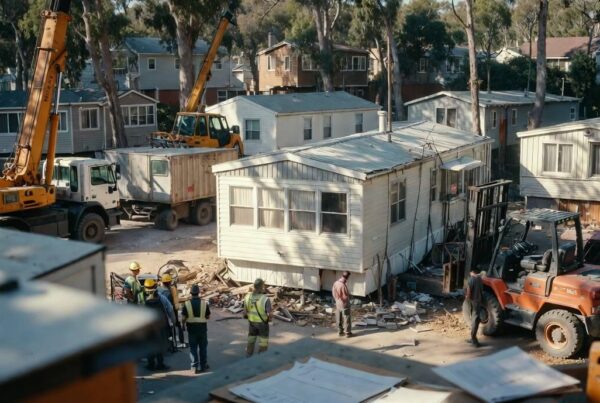
Demolition uses heavy machinery to quickly tear down a mobile home, with debris hauled to landfills. It’s the fastest way to clear a lot, prioritizing efficiency over material recovery.
Pros of Demolition
- Quick completion, often in 1–2 days.
- Lower labor costs due to minimal manual work.
- Ideal for lots with easy access for heavy equipment.
Cons of Demolition
- High landfill and disposal fees.
- Minimal salvage value, wasting reusable materials.
- Greater dust, noise, and environmental impact.
What Is Deconstruction?
Deconstruction is a precise process of deconstructing the house, sorting materials such as metal, appliances, and wood for recycling, resale, or donation. It’s an earth-friendly process.
Pros of Deconstruction
- Maximizes salvage value, countering costs.
- Environmentally sound, minimizing landfill waste.
- Assists free removal programs or nonprofit donations.
- Safer handling of hazardous materials.
Cons of Deconstruction
- Longer process, taking days to a week.
- Upfront higher labor costs for experienced crews.
- Takes space for sorting materials.
Cost Comparison: Which Is Cheaper?
The price of mobile home demolition compared to deconstruction varies depending on your circumstances. Demolition can look less expensive through speed, but lost salvage value and landfill charges can increase costs. The greater labor expense of deconstruction is sometimes paid for by materials sold or donated, even making it free for eligible homes. Washington Free Mobile Home Removal provides free evaluations for the most economical choice.
Read more: Does manufactured home depreciate?
Environmental & Community Impact
Deconstruction is far more ecological, which preserves material from the landfill and injects local economies with resale or donation. Demolition increases landfills and transportation carbon emissions, which leads to increased disturbance of the neighborhood.
| Method | Cost | Environmental Impact | Salvage Potential |
| Demolition | Lower labor, high disposal fees | High landfill use | Minimal |
| Deconstruction | Higher labor, offset by salvage | Low landfill use | High |
When to Select Which Option
- Select Demolition:
For heavily damaged or contaminated homes, or where limited lot access restricts equipment alternatives. - Select Deconstruction:
For reusable materials in homes, environmental objectives, or economic savings through salvage.
Check out the features and benefits of triple wide mobile homes here!
Practical Next Steps
- Request a complimentary evaluation to assess salvage value and risks.
- Obtain quotes broken down by itemized labor, disposal, and abatement expenses.
- Review free removal programs or nonprofit donation programs.
- Confirm contractor insurance and abatement licenses.
The Bottom Line
Mobile Home Demolition vs Deconstruction: Key Differences – This decision weighs goals, cost, and sustainability. Demolition is quick but wasteful; deconstruction conserves materials and the environment, frequently cutting costs. Washington Free Mobile Home Removal offers complimentary evaluations to inform your decision, taking care of all from permits to cleanup. Clear your lot today? Contact us for a complimentary assessment and advice from experienced professionals for your property!