Over 22 million Americans live in manufactured home communities, yet most don’t understand the hidden ownership models that control their lot rent. Lot rents have surged 52% since 2019, three times faster than inflation, making it critical to know who owns your land and how it impacts your costs. Think of a manufactured home community as an apartment complex where you own your “apartment” but rent the land beneath it. What Is a Manufactured Home Community?
This guide breaks down three ownership structures, explains lot rent dynamics versus land ownership, and shares resident empowerment strategies to protect your wallet and lifestyle.
Manufactured Home Community Defined
The Housing and Urban Development organization of the United States defines a manufactured home community as “one that is a tract of property where the land is rented to three or more manufactured homeowners, which consists of shared infrastructure, amenities, and management of the facility.” These settlements contain HUD-code houses and provide a combination of affordability and neighborhood existence.
Key Components
- Land Leases
- Infrastructure
- Amenities
- Management
- Lot Rentals
- Roads, Utilities
- Playgrounds, Pools
- Rules, Fee Collection
Not To Be Confused With
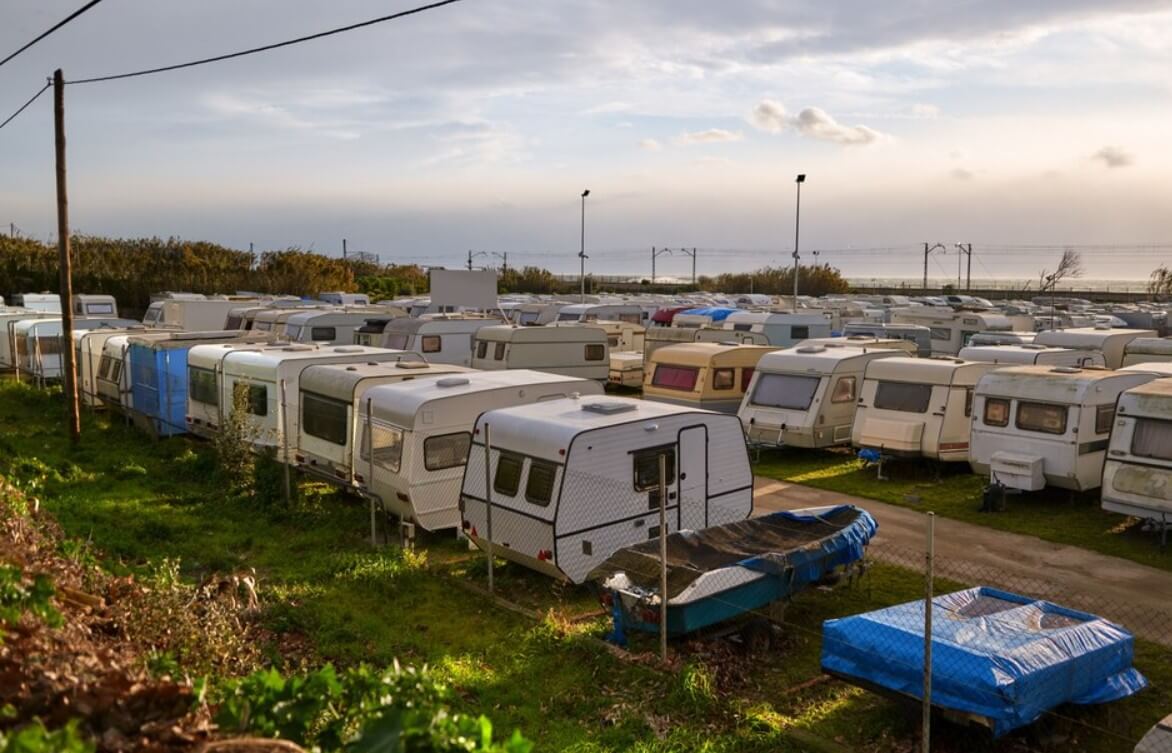
- RV Parks:
Designed for temporary, recreational occupancy. - Mobile Home Parks:
House pre-1976 units with outdated construction standards. - Modular Home Subdivisions:
Feature owned land and permanent foundations, unlike leased-lot communities.
Ownership Models: Who Controls Your Land?
The ownership structure of a community determines your costs, control, and risks:
1. Corporate-Owned (75% of Communities)
- Pros:
Professional maintenance, amenities like pools or clubhouses. - Cons:
Annual rent hikes (5–7% average), profit-driven rules, and limited resident input. - Risk:
Private equity firms own 38% of communities, prioritizing profits over affordability.
2. Resident-Owned Cooperatives (ROCs)
- How It Works:
Residents collectively purchase the land, forming a democratic cooperative to control fees and rules. - Pros:
Stable lot fees, equity building, and resident governance. - Cons:
Upfront buy-in costs, complex financing.
3. Municipal/NPO Communities
- Operated By:
Cities, churches, or nonprofits. - Perks:
Below-market rents, priority for seniors or disabled residents. - Cons:
Waitlists often exceed two years due to high demand.
Learn how fast mobile homes lose their value, the factors affecting depreciation, and tips to protect them!
Community Layout & Amenities
Manufactured home communities vary widely in quality and offerings:
| Feature | Entry-Level Community | Luxury Community |
| Lot Size | 1,500–3,000 sq ft | 4,000–8,000 sq ft |
| Amenities | Laundry room, playground | Pool, clubhouse, gym |
| Infrastructure | Paved roads, septic systems | Underground utilities, fiber internet |
| Age Restrictions | None | 55+ common |
Fee Triggers
- Annual Increases:
3–10% based on park policies or inflation. - Capital Improvement Fees:
Charged for upgrades like repaved roads ($50–$200/year). - Late Payment Penalties:
$25–$100 per occurrence.
Check out triple-wide mobile homes here and discover their features, benefits, and more.
Resident Rights by State
Your legal protections depend on state laws and federal regulations:
| State | Rent Increase Notice | Eviction Process | Unique Rule |
| California | 90 days | 60-day notice | Just-cause eviction only |
| Florida | 45 days | 15-day notice | No hurricane evacuation fee bans |
| Arizona | 30 days | 10-day notice | Landlords can charge “community fees” |
Buying vs. Renting a Lot: Key Differences
Owning your land versus renting a lot dramatically impacts costs and control:
| Factor | Leased Lot | Owned Land |
| Equity | Zero land equity | Appreciation potential (1–2% annually) |
| Control | Park sets rules | Customize home/landscape |
| Cost Stability | Rent hikes likely | Fixed property taxes |
| Exit Strategy | Hard to resell home | Sell home + land together |
Resident Risks & How to Mitigate
Top 5 Dangers
- Rent Surges:
- Negotiate multi-year leases to lock in rates.
- Park Closures:
- Join resident associations to monitor park stability.
- Rule Changes:
- Document all communications with park management.
- Utility Fee Hikes:
- Demand metered billing to avoid flat-rate overcharges.
- Resale Restrictions:
- Verify park approval process before buying a home.
FAQ: Top Community Questions
- Can I be evicted if I own my home?
Answer: Yes, for non-payment or rule violations, even if you own the home. - Do communities allow HUD-code homes?
Answer: Most do, but 55+ parks may require models less than 10 years old. - Who maintains the home’s exterior?
Answer: You, unless the community provides lawn care (rare). - Can lot rent increase without notice?
Answer: No, states require 30–90 days’ notice. - Are pets allowed?
Answer: Varies by park; check rules before moving. - What happens if the park closes?
Answer: You may need to relocate your home, costing $5,000–$15,000. - Can I rent out my home?
Answer: Only with park approval, often with strict subleasing rules.
The Bottom Line
What Is a Manufactured Home Community? It is a special residential system in which you own your own property but tend to lease the land, a trade-off between affordability and risks, such as increasing lot charges. Twenty-two million people live in these communities, which range from corporate-controlled, luxurious facilities to resident-controlled, cooperative places with equity and control involved. Knowing ownership models, costs, and rights does not only matter when you are retired, but also when you are renting. Target ROCs or owned-land communities and document all agreements to avoid rent surges and park closures. With Washington Free Mobile Home Removal, navigate leases and find stable communities!