
Removing a mobile home for free sounds simple, but the process has several steps designed to protect safety, follow local rules, and recover salvage value. If you’re asking “What to expect during the free mobile home removal process?”, this guide simplifies it into easy phases so that you understand the process as well as the information you’ll have to provide, and what you should ask.
Quick Overview: How “free” offers work
A lot of “free” removals are feasible since contractors can extract value from salvageable items (metal electrical appliances, wires, and more). If the salvage is sufficient to cover labor, hauling, as well as disposal costs, the business can take the unit away without cost. However, the removal of the unit is contingent on access, the safety of materials, and permit requirements, all impact whether the job is free. Be prepared for the procedure to be a conditional one and documented.
Step-by-step: What Actually Happens
1. Initial contact and basic assessment
It is important to start by supplying photographs, contact information, along an overview of the property’s condition. Contractors rely on this information to make a preliminary assessment regarding salvage value and whether an inspection is required.
2. Planning The Removal Process
A site inspection will confirm accessibility, structural condition, and the presence of visible hazards. The contractor must provide an estimate or written agreement detailing the items included, as well as any other possible extras that could affect the cost.
3. Permits and utility disconnects
A lot of cities require a demolition permit, and utilities have to be officially disconnected before the start of work. In certain arrangements, contractors handle permits and disconnects. In other arrangements, the landowner has the responsibility. Define who handles exactly what in writing.
4. Hazard testing and abatement (if needed)
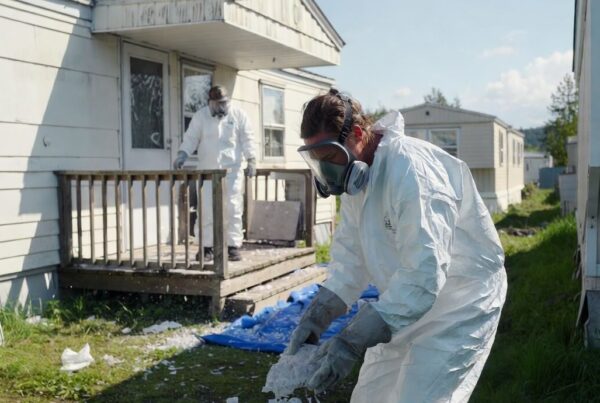
Older houses may have asbestos, lead paint, or refrigerants. Testing is recommended in cases where age or material suggests danger. If toxic materials are discovered and certified abatement is needed, it must be done, which could affect any “free” offer, or by imposing an additional cost or needing separate handling.
5. Salvage, strip-out, and preparation
Before the arrival of heavy equipment, crews can remove valuable equipment (appliances, doors, cabinets, and wiring) in order to maximize salvage. The area is secured by fencing or signs, and the access ways are clear.
6. Sorting and controlled demolition
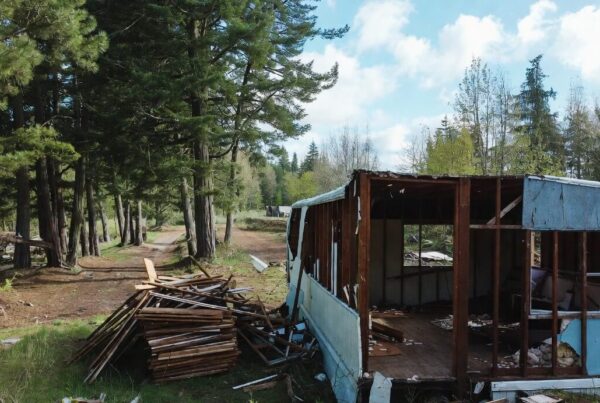
The structure is removed in a carefully planned order, typically section by section, and crews can separate wood, metal appliances, and hazardous waste. Dust suppression, as well as other techniques, is frequently employed.
7. Recycling, haul-away, and cleanup afterward
Recyclables are taken to the appropriate facilities, while hazardous materials are taken to approved disposal facilities. The material is generally cleaned and graded. The responsible contractors will give receipts or manifests indicating where materials were removed.
Read more: Does manufactured home depreciate?
Who Does What: Simple Responsibilities
| Task | Usually contractor | Usually landowner |
| Initial inspection | yes | provide access/photos |
| Permits | sometimes | sometimes (confirm) |
| Utility disconnects | sometimes | often required beforehand |
| Hazard testing | contractor or third-party | allow access/payment if required |
| Final cleanup & receipts | yes | request documentation |
Timeline & Realistic Expectations
A basic, easily accessible device can go from estimation to a cleared lot within a matter of days or weeks. When permits are required, dangerous testing or abatement is required; be prepared for extra time, often for up to several weeks. Weather conditions, access restrictions, and local permit deadlines can also impact the planning.
Questions to Ask Before You Agree
- Does the removal really cost nothing, or are there other situations that might result in additional costs?
- Who manages permits or disconnects? Who handles hazardous testing?
- Do you get receipts for disposal/recycling or manifests?
- What happens when hazardous substances are found on site?
Learn about the features, benefits, and more about triple wide mobile homes here!
The Bottom Line
What to Expect During the Free Mobile Home Removal Process? Expect a staged, documented approach:
- Inquiry
- inspection and estimate
- permits/testing
- salvage and strip-out
- controlled demolition
- cleanup and paperwork
The offer is often possible because salvage offsets cost, but eligibility and timelines depend on access and hazards. Washington Free Mobile Home Removal simplifies the process. From initial assessments to cleanup of the site, contact us today to begin!